How Small Businesses Get More Customers: A Story About Growth (and Innovation)
Summary
Best growth lever: tighten one customer path (how people discover you → choose you → return).
Fastest win: make one offer irresistible and easy to act on.
Simple rule: small businesses win by doing a few things consistently, not everything at once.
Most small businesses don’t need a “viral moment.” They need a reliable system that brings in customers this month — and keeps them coming back next month.
This is a story about three small businesses in one town and the simple innovations that changed everything.
The town, the problem, and the “quiet competition”
In Maple Ridge, businesses weren’t failing because they were bad. They were failing because customers had too many options and too little attention.
Three owners met for coffee after a slow month:
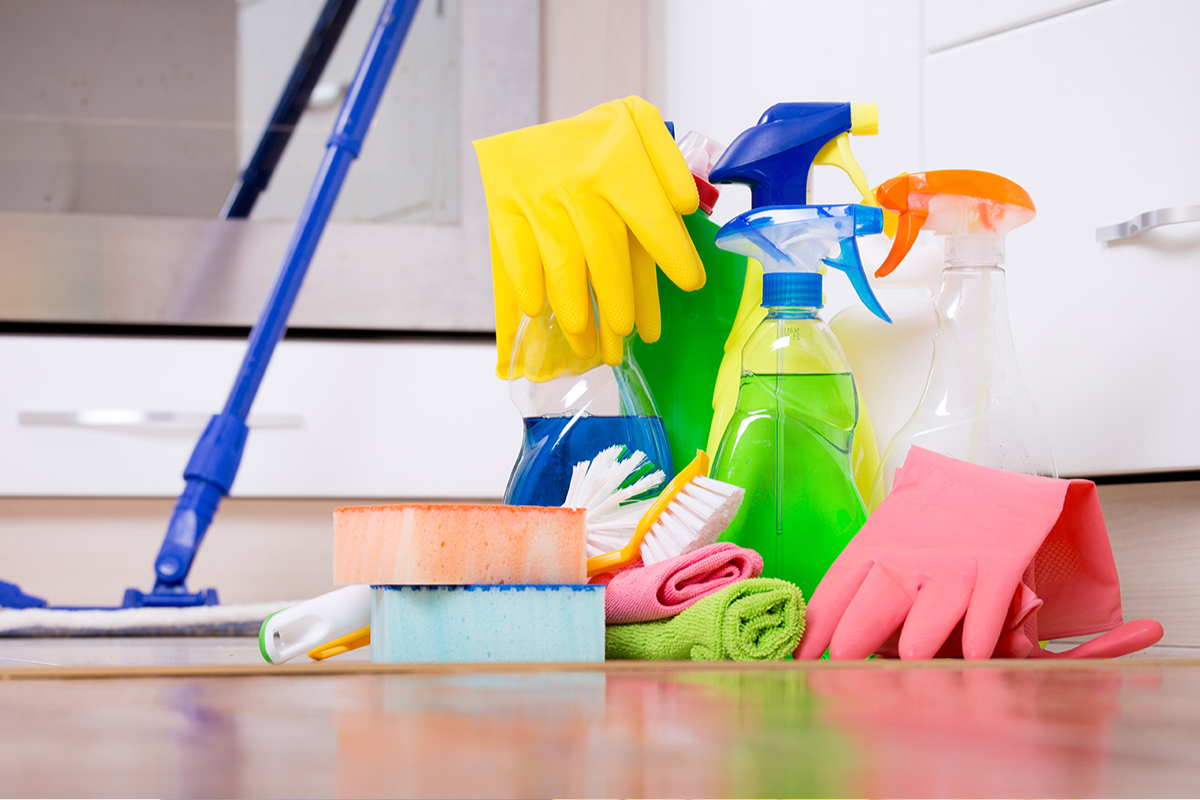
- Maya, who ran Spruce & Shine Cleaning
- Jon, who owned Hearthstone Pizza
- Elena, who built a tiny mobile dog grooming van called Paws & Polish
Each of them asked the same question:
“How do I get more customers without burning out?”
Step 1: Make it obvious who you’re for (and why you’re different)
Maya’s cleaning company did “everything.” Which meant customers remembered… nothing.
So she made one decision:
- “We’re the cleaning company for busy families who want it done right.”
She added two specifics:
- Same-day quotes
- A 3-step checklist they follow every time
And suddenly, when people asked neighbors “Who do you use?”, the answer came with a reason.
A quick positioning checklist
- What do you do?
- Who is it for?
- What do they want most (speed, quality, price, convenience)?
- What’s your proof (reviews, years, guarantee, specialty)?
don’t invent a new service — package your existing service in a clearer way.
Step 2: Improve one “customer path” instead of trying 10 tactics
Jon’s pizza was great, but his customer path was messy:
- People saw the shop… then forgot
- Online ordering was slow
- First-time buyers didn’t have a reason to come back
So he redesigned one path:
- Discovery: “Neighborhood Specials” postcard once a month
- Conversion: a simple offer: “BOGO Tuesday for first-time customers”
- Retention: “Free garlic knots after 3 orders” (tracked by phone number)
He didn’t add complexity. He added a repeatable loop.
Customer path table (simple)
| Stage | Question the customer asks | What you should improve |
|---|---|---|
| Discovery | “Do I know you exist?” | Visibility (signage, mail, Google, referrals) |
| Conversion | “Should I try you?” | Offer, proof, easy booking |
| Experience | “Was it worth it?” | Speed, quality, communication |
| Retention | “Will I come back?” | Follow-up, reminder, loyalty, subscription |
| Referral | “Would I recommend you?” | Ask + make sharing easy |
treat marketing like a system, not a campaign.
Step 3: Use “small innovations” that feel huge to customers
Elena’s dog grooming service had a scheduling problem. People wanted convenience. She delivered it in three tiny innovations:
- Text-to-book (not “call us during business hours”)
- A 30-minute arrival window
- A post-visit message: “Want the same time next month?”
Her customers loved it because it felt like a premium service — even though it was mostly process.
convenience innovations beat “new features” most of the time.
Different ways to innovate (without reinventing your business)
Innovation isn’t always a new product. For small businesses, it’s usually one of these:
| Type of innovation | What it looks like | Example |
|---|---|---|
| Offer innovation | Make the first yes easier | “Free estimate this week” |
| Packaging innovation | Bundle what you already do | “Spring cleanup + mulch bundle” |
| Process innovation | Faster, simpler experience | Text-to-book, same-day quotes |
| Proof innovation | Trust signals and social proof | Reviews, before/after, testimonials |
| Follow-up innovation | Don’t let leads disappear | 1-day/3-day/7-day follow-up |
| Community innovation | Be the neighborhood favorite | Sponsor events, partner locally |
| Channel innovation | Add one reliable channel | Direct mail + Google Business Profile |
Real examples of “growth moves” for hypothetical businesses
1) A plumber: “Northside Plumbing Co.”
They were competing on price and losing.
So they shifted to:
- “Same-day appointments when available”
- “Upfront pricing”
- “We text you when we’re on the way”
Postcard offer: - “$49 drain clearing for new customers (limited time)”
Innovation: - A two-sentence “what happens next” message after every inbound lead.
Result: fewer price shoppers, more booked calls.
2) A yoga studio: “Riverbend Yoga”
They struggled with drop-ins who never returned.
So they created:
- A 7-day intro pass
- A “bring-a-friend” bonus
- A weekly email with “3 classes this week for beginners”
Innovation: - One onboarding sequence instead of random promotions.
Result: higher retention, predictable growth.
3) A lawn care company: “GreenLine Lawn”
They did good work but had inconsistent leads.
So they:
- Picked one neighborhood and mailed it monthly
- Used a clear offer: “First mow $25 off”
- Added recurring scheduling: “Same day every week”
Innovation: - Turned one-time jobs into recurring routes.
Result: steadier revenue and more referrals.
Final Recommendation
Get more customers by repeating a few simple actions consistently.
Start simple:
- Step 1Pick one ideal customer and one clear offer
- Step 2Choose channels you can maintain every week or month
- Step 3Track which actions create real calls, quotes, and repeat customers
Share your business type and target area, and we can suggest a focused next campaign.
Explore Neighborhood Postcards